

 Extempers who are juniors or seniors this year might remember the protests that threatened the ruling government of Myanmar, a country also referred to as Burma by much of the international community, in the fall of 2007. These protests, led by monks and political dissidents of Myanmar’s military junta, were in response to the junta removing fuel subsidies but eventually acquired a more democratic flavor. However, this so-called Saffron Revolution was quelled by the beating, imprisonment, and killing of its participants and thus, Myanmar’s second attempt at acquiring a democratic government since 1962 failed.
At a time when globalization has brought a degree of prosperity to the Southeast Asian region and as countries in that region, such as Indonesia, are playing a more prominent role in global affairs, Myanmar’s junta sticks out like a sore thumb. The junta proclaims that its autocratic governance is justified in order to keep Myanmar’s multi-faceted ethnic groups together under one umbrella. However, the junta has used its position and Myanmar’s plethora of natural resources, to enrich and protect itself. This style of governing has turned what was once Southeast Asia’s richest country (during the British colonial period) to one of the region’s most impoverished.
The urgency of this brief is in Senator Jim Webb’s (D-Virginia) recent visit to Myanmar. During this visit, Webb met with the head of the junta, General Than Shwe, and the country’s most vocal democrat, Aung San Suu Kyi. Webb’s visit has brought back some international attention to events that are unfolding in Myanmar. This, coupled with the State Department’s concern about Myanmar’s military ambitions and alliances, makes the country a hot topic that extempers may encounter in the early part of this year.
This brief will provide some background concerning the historical tensions in Myanmar, the circumstances surrounding Webb’s visit, and discuss strategies for the international community to better engage Myanmar.

 By Omar Qureshi
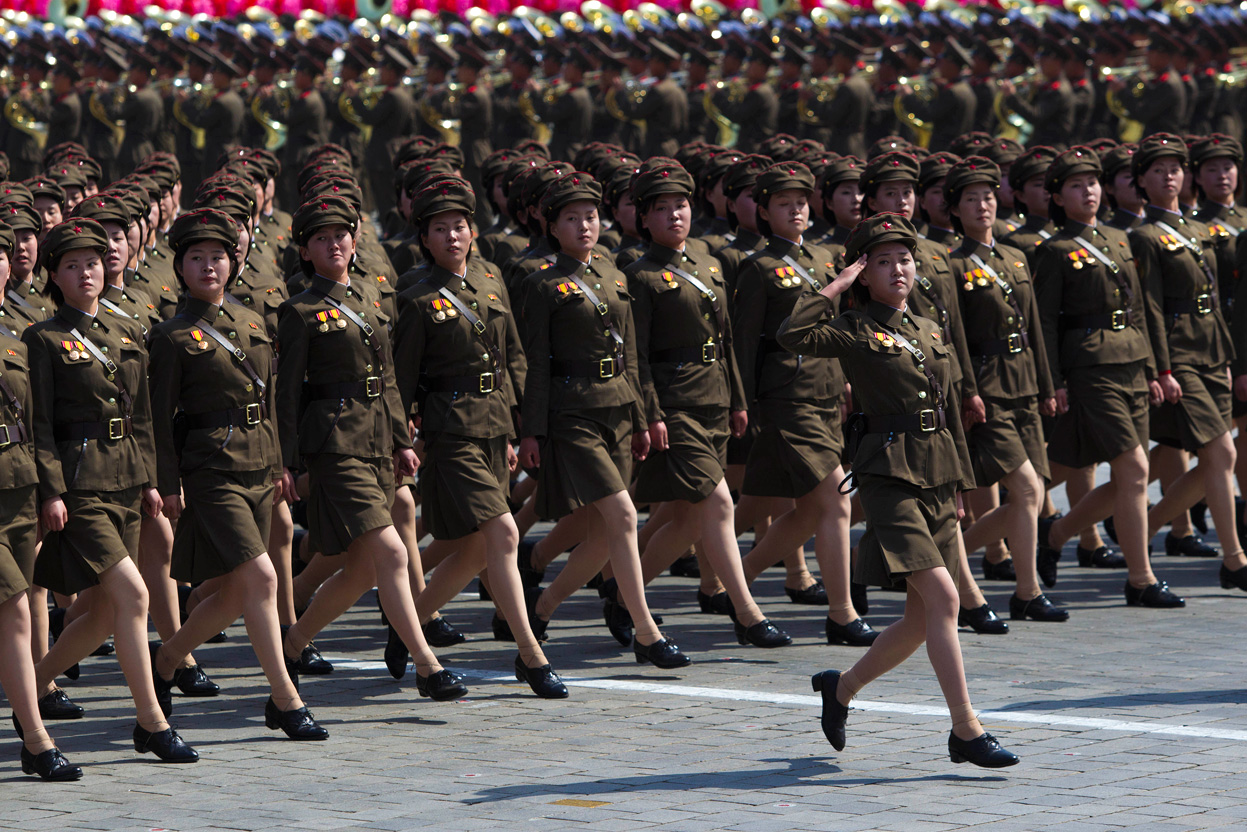 Early last month, North Korea angered the international community over its launch of a long range missile (Taepodong-2). This launch went against UN Security Council resolutions that ban North Korea from conducting ballistic missile tests, although North Korea’s government saw it as an attempted satellite launch, arguing that it had the right to explore space. This launch was determined to be a failure, with the second and third stages of the rocket failing to separate as planned. Despite this failure, North Korea appears to have gained international attention yet again, by conducting its second nuclear test.
 One international event that has brought about unified international outrage is the military offensive of the Sri Lankan government against the Liberation Tigers of Tamil Eelam (LTTE). Over the last two years, the Sri Lankan government has managed to corner the Tigers, a group that claims to be fighting for the islands Tamil minority and is labeled as a terrorist group by the United States and the European Union, into a narrow strip of land in the northern part of the country. The concluding offensive, which has the potential to end a military conflict that began in 1983, has put civilians in danger from both sides and there have been numerous calls around the world for the Sri Lankan government to enact a ceasefire with the Tigers so as to allow humanitarian assistance to best be brought to the civilians trapped in the conflict zone.
 The last several years have been fortunate for the world’s medical watchers. Fearing an avian flu pandemic across the globe several years ago, these experts have only had to watch the progression of the virus in isolated parts of the Eastern Hemisphere. Also, avian flu never became a human-to-human transmission problem, reducing the urgency required or the threat of avian flu becoming a global problem. However, the recent outbreak of swine flu, if it can be aptly called that since this strain of flu borrows from swine influenza, avian influenza (albeit not its most dangerous components), and human influenza components, which has infected nearly 1500 people globally at the time of this writing, can aroused fears that this is the next global flu pandemic. This is compounded by the fact that swine flu appears to be spreading from person to person, regardless of their contact with infected animals.