

[fblike]
 Last week the Commerce Department announced that the U.S. economy grew by 0.5% in the first quarter of 2015. This was below the number that economists had projected and it was below the 1.4% growth rate that the economy registered during the fourth quarter of 2014. The numbers were quickly seized on by critics of the Obama administration, who argued that they proved that the President has failed to generate significant economic momentum under his watch. Defenders of the administration argue that first quarter numbers can typically be stubborn as weather factors can inhibit economic growth in some seasonal industries such as construction or agriculture. Either way, the numbers are likely to temper the attitude of some members of the Federal Reserve Board for another interest rate hike and they could change the dynamic of the presidential race as a weak economy would favor Republicans in the fall.
This topic brief will provide some important vocabulary that extempers should know when discussing first quarter economic numbers, analyze arguments for why the GDP numbers are concerning, and then provide reasons why becoming panicked over these first quarter numbers is unnecessary.
Readers are also encouraged to use the links below and in the related R&D to bolster their files about this topic.


 While the LGBT community won a significant victory at the Supreme Court last year when it came to same sex marriage, transgender individuals are now pressing for constitutional protections of their rights, namely their right to express their identity. The public space that they are contesting are public restrooms, where transgender individuals argue that they should have the right to use the restroom of the gender that they affiliate with. Social conservatives in states such as North Carolina are appalled by this demand, warning that it will threaten the safety of women and young children. In late March, North Carolina passed the Public Facilities Privacy and Security Act (HB2), which legally requires transgender people to use the bathroom that corresponds to the gender on their birth certificate. The law also makes it more difficult for transgender to sue their employer for discrimination. Critics allege that the bill reverts to a new system of segregation and that it could endanger the mental health of transgender individuals. Some businesses such as PayPal have already cancelled expansion plans in the state and there is evidence that a tourism boycott is developing. As with most social issues, the fate of the so-called “bathroom bill” is bound to end up in the courts, which have thus far demonstrated that such legislation goes against the U.S. Constitution.
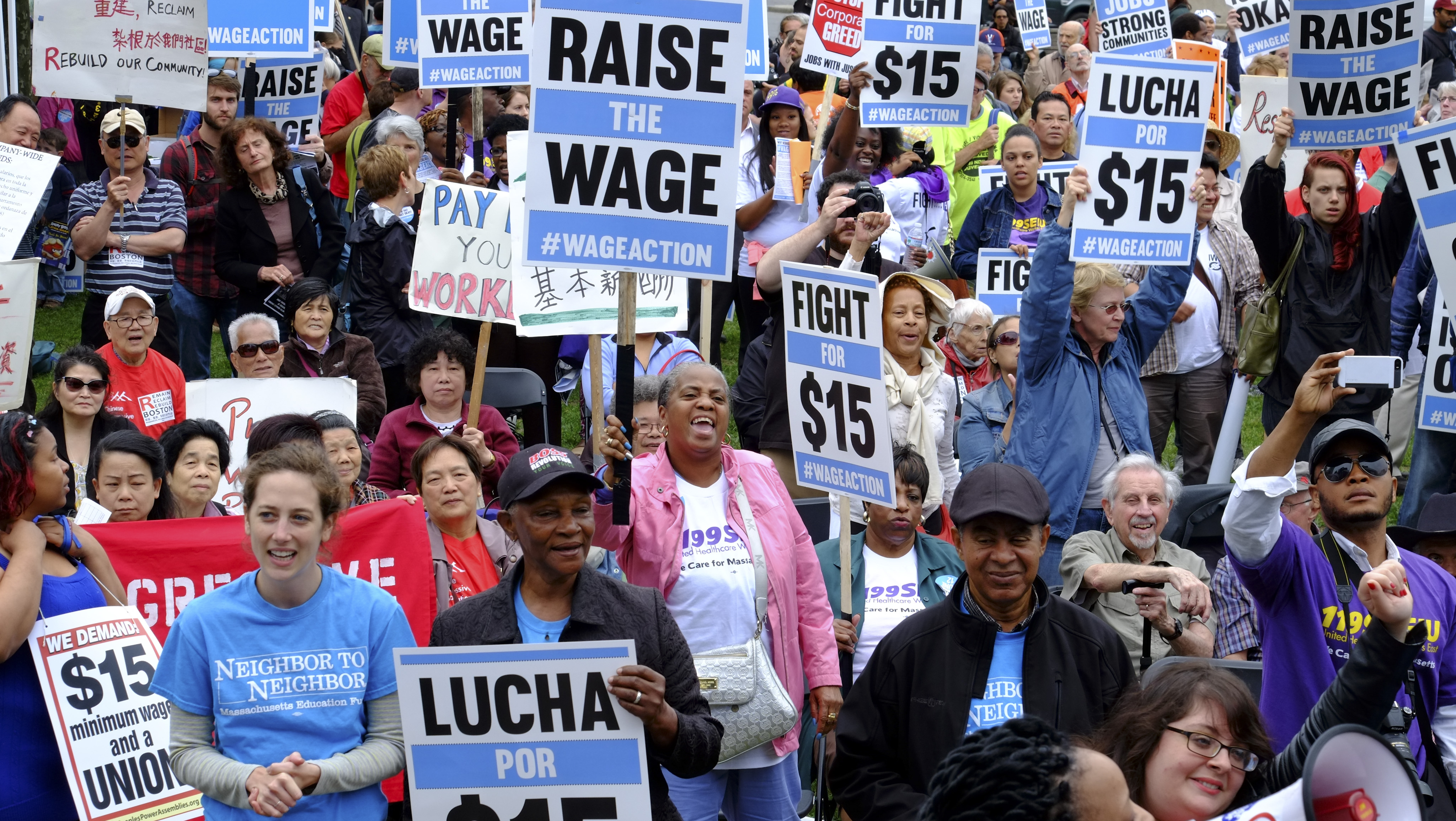 Arguably the biggest demand of the progressive activists over the last two years has been a demand for a $15 minimum wage. Striking the nation’s low-wage establishments such as fast food chains, advocates insist that a massive wage hike would significantly dent poverty and provide a sufficient boost to the U.S. economy. The “Fight for $15” movement has scored victories in cities such as Seattle and most recently in New York and California. The Democratic primary has also become ground zero for the debate, with Bernie Sanders favoring a $15 federal minimum wage, while Hillary Clinton has adopted a more reserved approach, putting her support behind a $12 federal minimum wage that could be raised if the economy would support a larger increase. Meanwhile, business groups and conservative economists argue that a $15 minimum wage will most states and cities uncompetitive in a global economy and warn that such policies will increase, rather than decrease, poverty in America. What is clear is that this fall’s presidential election could hinge on the economy and whether Americans should receive another minimum wage increase. As a result, extempers should be prepared to discuss this topic and answer questions about it.
 Since the war on terrorism began in 2001, the federal government’s surveillance capabilities have come under scrutiny by civil libertarians, groups such as the American Civil Liberties Union (ACLU), and the national media. On the one hand, advocates of increased surveillance argue that it is necessary to keep Americans safe, while the other side counters that the loss of civil liberties for security is a dangerous precedent that could gradually erode all freedoms. Recently, the Federal Bureau of Investigation (FBI) is attempting to make Apple break its iOS9 operating system so that it can unlock the phone of Syed Farook, one of the two individuals that killed fourteen people in the San Bernardino shootings last year. Federal authorities believe that the phone would reveal Farook’s motivations for the attack and give them a detailed profile of how much contact Farook was having with the Islamic State, but these are mere guesses as to the phone’s contents. Apple has thus far refused to cooperate, arguing that the government has no legal authority to make it to crack its own software. It will likely take years for federal courts to adjudicate this case, but it could have significant ramifications for technology firms in the United States and elsewhere. As such, extempers should be prepared to discuss the implications of this ongoing legal struggle as it will be fodder for questions in technology, terrorism, and constitutional issues rounds.
 When billionaire real estate mogul Donald Trump announced his presidential bid last summer it was greeted with significant skepticism. After all, Trump was once aligned with Democratic and independent politics before recently casting his lot with the Republican Party, and he was also part of the “birther” faction that doubted the validity of President Obama’s citizenship. When Trump criticized former Republican presidential nominee John McCain for not being a war hero due to his capture in the Vietnam War, the mainstream media wrote him off as a serious candidate. However, with just eight months to go before Americans head to the polls to elect the nation’s forty-fifth president Trump is currently the frontrunner for the Republican nomination. The Republican “establishment” has recently panicked over Trump’s rise, with the party’s recent presidential nominee Mitt Romney warning party regulars about nominating Trump. Nevertheless, it appears that if Trump wins the Florida and Ohio primaries in two weeks that he may prove unstoppable and his victory could recast the entire structure of the Republican Party.