


[fblike]
 Last Thursday President Obama announced that he was taking executive action to resolve part of the nation’s pressing illegal immigration problem. The President’s executive order will allow up to five million illegal immigrants to obtain work permits, thereby allowing them to legally stay and work in the United States for the next three years. This is nearly half of the country’s illegal immigrant population, which is estimated to be more than eleven million people. The President’s defenders argued that executive action had to be taken because Congress has failed to solve the illegal immigration problem over the last several decades, but opponents argued that the order was an abuse of executive power and that it would harm bipartisan cooperation for the next two years on Capitol Hill.
This topic brief will provide a quick overview of America’s illegal immigration problem, discuss the actions taken by President Obama last week, and breakdown how the President’s executive order will affect the political landscape in the short-term and for 2016. Extempers are highly encouraged to read last season’s topic brief on comprehensive immigration reform to get a more sufficient understanding of the politics surrounding immigration policy.
Readers are also encouraged to use the links below and in the related R&D to bolster their files about this topic.


 To say that this year’s midterm elections were a disaster for President Obama and the Democratic Party would be an understatement. Undecided voters broke for the Republican Party in droves, enabling it to capture the Senate for the first time since 2006, increase its House majority to near historic levels, and preserve control of governor’s mansions across the country. For the next two years, the Republicans and President Obama will be engaged in a Cold War-style faceoff on Capitol Hill, with each side trying to position the other as obstructionist ahead of the 2016 presidential election. Since the new Congress will not be seated until January, extempers can expect to draw questions about the lessons each party can learn from the midterms and how President Obama should respond to the results.
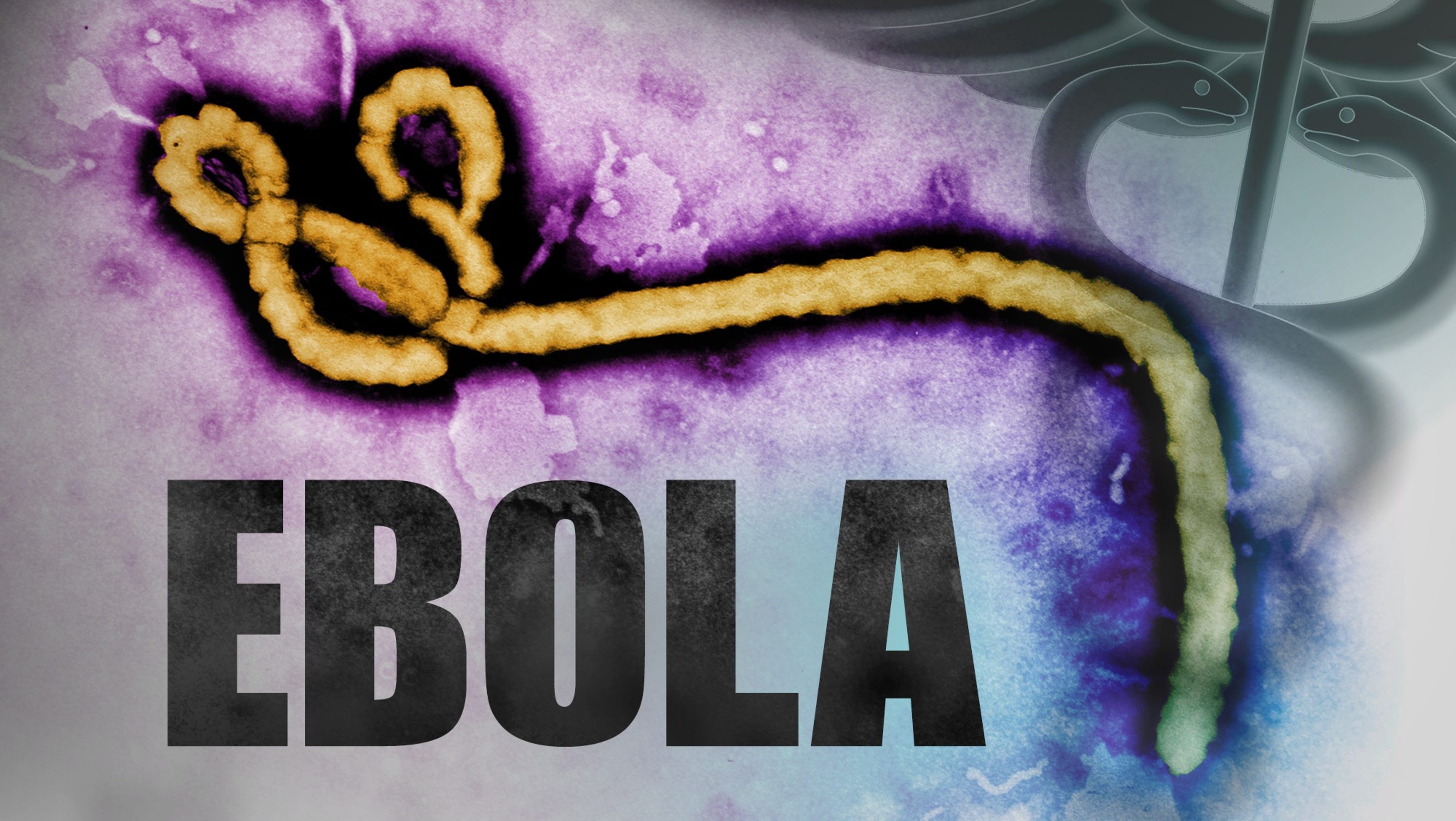 Last week’s news cycle was consumed by the spread of the Ebola Virus Disease (EVD) in the United States. Liberian Thomas Eric Duncan was the first person to be diagnosed with the virus on American soil in U.S. history. Duncan was admitted to Texas Health Presbyterian Hospital in Dallas on September 28 and died of the virus on October 8. Since that time, two nurses that cared for Duncan have contracted the virus. Reports that one of the nurses was allowed to fly after having a fever alarmed the American public, which is showing signs of panic about a virus that carries a fatality rate of over 60%. Newscasters have labeled Ebola as the “October surprise” of this year’s midterm elections and the federal government’s handling of the situation is becoming a hot political topic. President Obama has reportedly shown signs of frustration in meetings with officials from the Centers for Disease Control and Prevention (CDC) and last Friday he appointed Ron Klain as the nation’s “Ebola czar.” Mr. Klain will be tasked with coordinating the federal response to the virus as well as assuaging public fears about the situation.
 For the last fourteen years political pundits have debated whether Hillary Clinton will become America’s first female president. When her husband Bill ended his presidency in 2001, Hillary became New York’s junior senator. In 2004, she thought of running for the Democratic presidential nomination, but opted against it. In 2008, she decided to run for the presidency but was defeated by Barack Obama in the closest primary race since 1976. Following the 2008 presidential election Clinton became President Obama’s Secretary of State. She left that position in 2013 and observers believe she has been using her time away from Washington to solicit support for another presidential bid.
 Last week, Attorney General Eric Holder announced his resignation. Holder is one of three officials still remaining from President Obama’s original Cabinet and he was a lightning rod for conservative criticism of the administration. During Holder’s six-and-a-half year tenure the Justice Department sought to re-emphasize the importance of civil rights, but it came under fire for refusing to cooperate with a congressional investigation into the “Fast and Furious” scandal and prosecuting journalists that leaked government information. Holder’s departure comes on the heels of an expected Republican takeover of the Senate, which may limit President Obama’s selection of his replacement. Holder announced that he will remain at his post until a successor is chosen and confirmed.