[fblike]
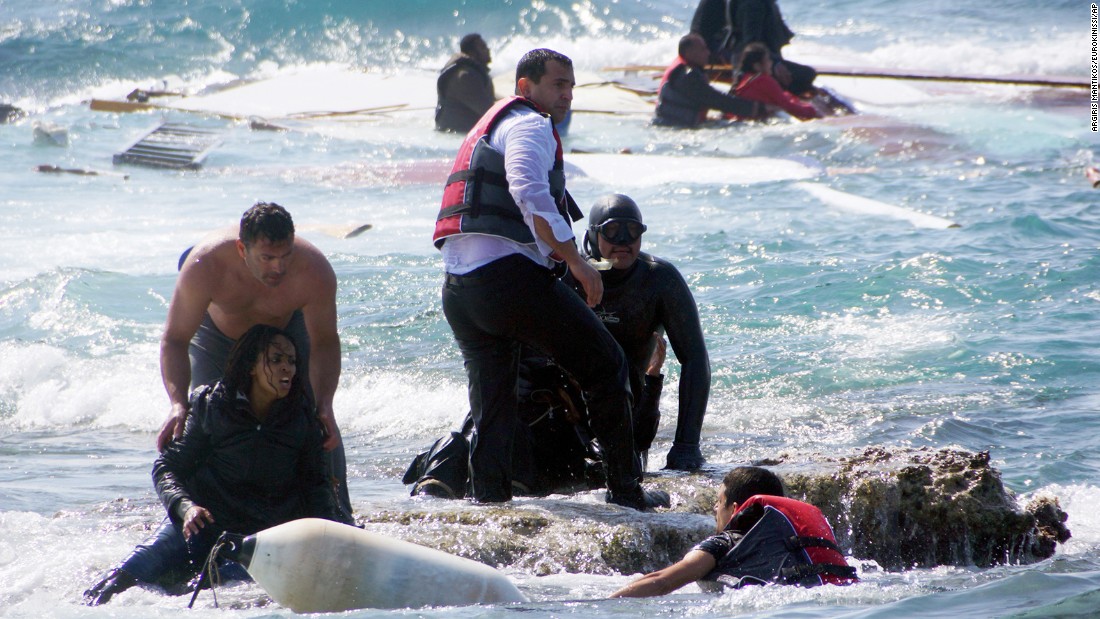 Extempers are aware of the United States’ illegal immigration problems, but another illegal immigration phenomenon has recently caught the attention of the international media: the travel of migrants from North Africa to Europe. While the migration of peoples from Africa and the Middle East to Europe is not a new phenomenon, growing border controls by nations within the European Union (EU) over the last decade has caused migrants to brave the waters of the Mediterranean Sea. Seeking refuge from political or religious persecution or a better economic future, migrants pay smugglers to take them to Southern European countries, which have argued that the EU is not doing enough to help them offset the cost of dealing with the problem. 2015 has already been a deadly year for migrants crossing the Mediterranean as 1,800 people have died making the journey compared with just 180 deaths in the first four months of 2014. On April 19, 900 migrants were thought to have been killed when their overcrowded vessel sank, prompting the EU to hold an emergency meeting in Luxembourg and triple the funding for border operations. Dealing with immigration is a sensitive issue in European countries, where far-right parties have linked excessive immigration with economic problems and claim that the different cultural backgrounds of migrants will erode the foundations of European society. Therefore, the problem is a test of the EU’s tolerance of helping the world’s less fortunate and its ability to work out an effective immigration system for its member states.
This topic brief will explain the causes of the recent migrant wave, discuss why deaths on the Mediterranean have risen this year, and then provide some possible solutions European governments can pursue to end the migrant crisis.
Readers are also encouraged to use the links below and in the related R&D to bolster their files about this topic.
Read More



 1. Should the Nieto back off of reform efforts following the results of the Mexican midterm elections?
 On May 27, Swiss authorities arrested seven high ranking officials of the International Federation of Association Football (FIFA), the world’s governing body for soccer. The arrests were due to a United States investigation into bribery and corruption within the organization that federal prosecutors allege played a role in the awarding of television, licensing, and hosting rights to soccer competitions, notably the World Cup. In addition to the United States investigation, Swiss officials are also examining how corruption may have influenced FIFA’s decision in 2010 to grant future World Cup competitions to Russia and Qatar. Longtime FIFA President Sepp Blatter has already been forced to resign over the investigations and observers are likening the scandal to what the International Olympic Committee (IOC) dealt with in the late 1990s. The ongoing investigation into FIFA should produce some momentum to reform the organization, while potentially producing geopolitical fallout if the organization revokes Russia and Qatar’s World Cup hosting rights. The investigation will also be a test of how far the U.S. Justice Department can apply American law abroad.
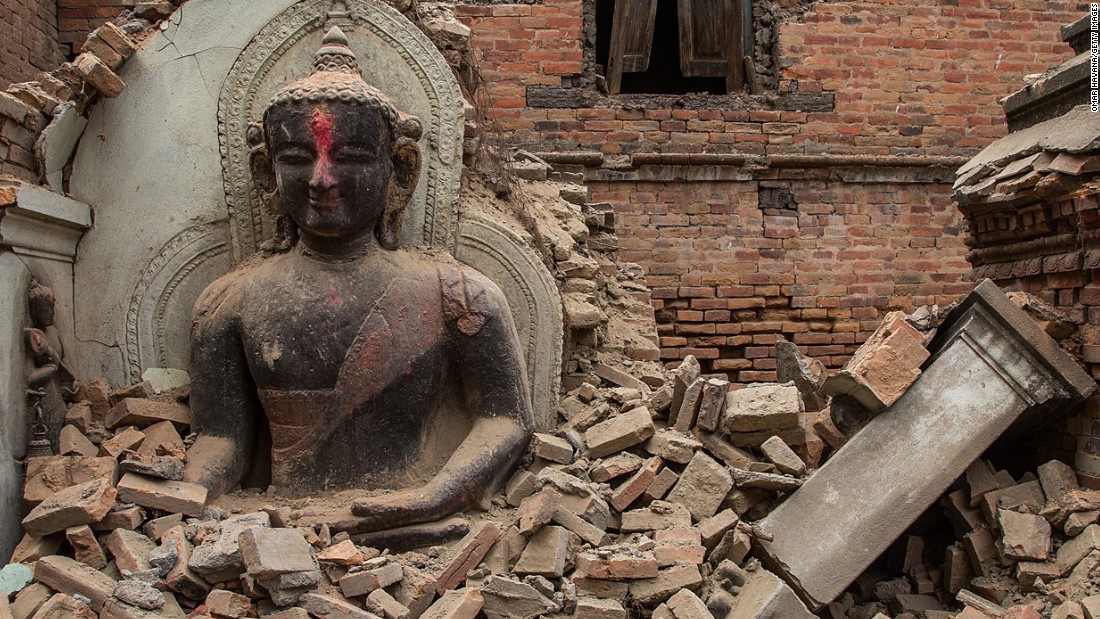 On April 25, Nepal was hit by a 7.8-magnitude earthquake that killed more than 8,000 people and injured tens of thousands of others. The earthquake leveled thousands of buildings around the Kathmandu Valley, including several UNESCO World Heritage sites. It also triggered an avalanche on Mount Everest that left eighteen people dead. Nepal is one of the world’s poorest nations and the international community has pledged to assist it in reconstructing buildings and providing humanitarian assistance to its population. However, the nation’s political difficulties may inhibit future relief efforts as a notoriously corrupt bureaucracy has thus far failed to remedy the problems that Nepali citizens are facing.
 British Prime Minister David Cameron and his Conservative Party shocked political observers last Thursday when they captured a governing majority in the House of Commons. Pre-election polls predicted that the Conservatives and Labour parties would end up deadlocked, resulting in a hung parliament for the second consecutive election. This could have triggered a constitutional crisis as the party that won the most votes could have ended up as the opposition. However, when the votes were tallied the Conservatives gained twenty-four seats, enabling them the govern without their prior coalition partner, the centrist Liberal Democratic Party, and this made Cameron the first Conservative prime minister to win a governing majority since John Major did so in 1992. Cameron’s second term may give him more room to impose austerity on Britain’s public finances, but he will also face resurgent nationalism in Scotland and growing suspicion of the European Union. Handling these political and economic crises will come to define Cameron’s legacy as he has pledged not to seek a third term in 2020.
 Free trade deals are one of the hallmarks of globalization. They allow countries to reduce trade barriers, allow for a freer flow of goods and services, and are tool of “soft” diplomacy. The 1990s and 2000s was an era for American free trade accords as the United States worked with Canada and Mexico to create the North American Free Trade Agreement (NAFTA) and then signed additional agreements with another eighteen countries. While proponents argue that these deals will allow consumers to acquire cheaper goods and that the deals serve America’s geopolitical interests, opponents allege that they strengthen the power of corporations at the expense of the middle class and that they produce sizable job losses. Growing trade skepticism could impair the implementation of the Trans-Pacific Partnership (TPP), a free trade accord between the United States and eleven other nations in the Pacific Rim. President Barack Obama is a supporter of the TPP and is pushing Congress to grant him trade promotion authority (TPA) to conclude the deal. Ironically, Republicans who have been an obstruction to much of the President’s agenda for the last six years are his biggest allies in the TPP fight, but Obama will likely have to win over some moderate Democrats to overcome opposition from unions and progressives to make the TPP a reality.