


[fblike]
Facing the threat of an insurgency from within his own ranks, Speaker of the House John Boehner shocked the nation’s political establishment on Friday by announcing his resignation from the speakership, as well as his House seat, effective October 30. Although obtaining the top position in the House, which is third in line for the presidency, was a remarkable accomplishment for Boehner, he had come under fire from Tea Party conservatives in recent years for not taking a harder line against President Barack Obama’s agenda. Conservatives grew irate that Boehner proved unable to repeal the Affordable Care Act (ACA), was willing to broker continuing resolutions with the aid of substantial numbers of Democrats, and proved unwilling to risk another government shutdown over federal funding for Planned Parenthood. He, along with Senate Majority Leader Mitch McConnell, had become a punching bag for the Republican Party’s 2016 presidential candidates and Boehner began to feel as if he was becoming a distraction to the larger Republican agenda. Consequently, Boehner is deciding to leave his high profile position in Washington, thereby helping Republicans avoid a bitter leadership battle that could have reduced the party’s ability to defend its congressional majorities next November. Nevertheless, without Boehner substantial questions loom about whether his replacement will be able to form a good working relationship with the President and whether that individual will find it just as difficult to control an increasingly splintered caucus.
This topic brief will explain the likely reasons for Boehner’s decision to resign, profile the internal Republican battle to replace him, and then discuss how Boehner’s exit could affect the management of the federal government for the rest of President Obama’s tenure and the ongoing Republican presidential nominating contest.
Readers are also encouraged to use the links below and in the related R&D to bolster their files about this topic.
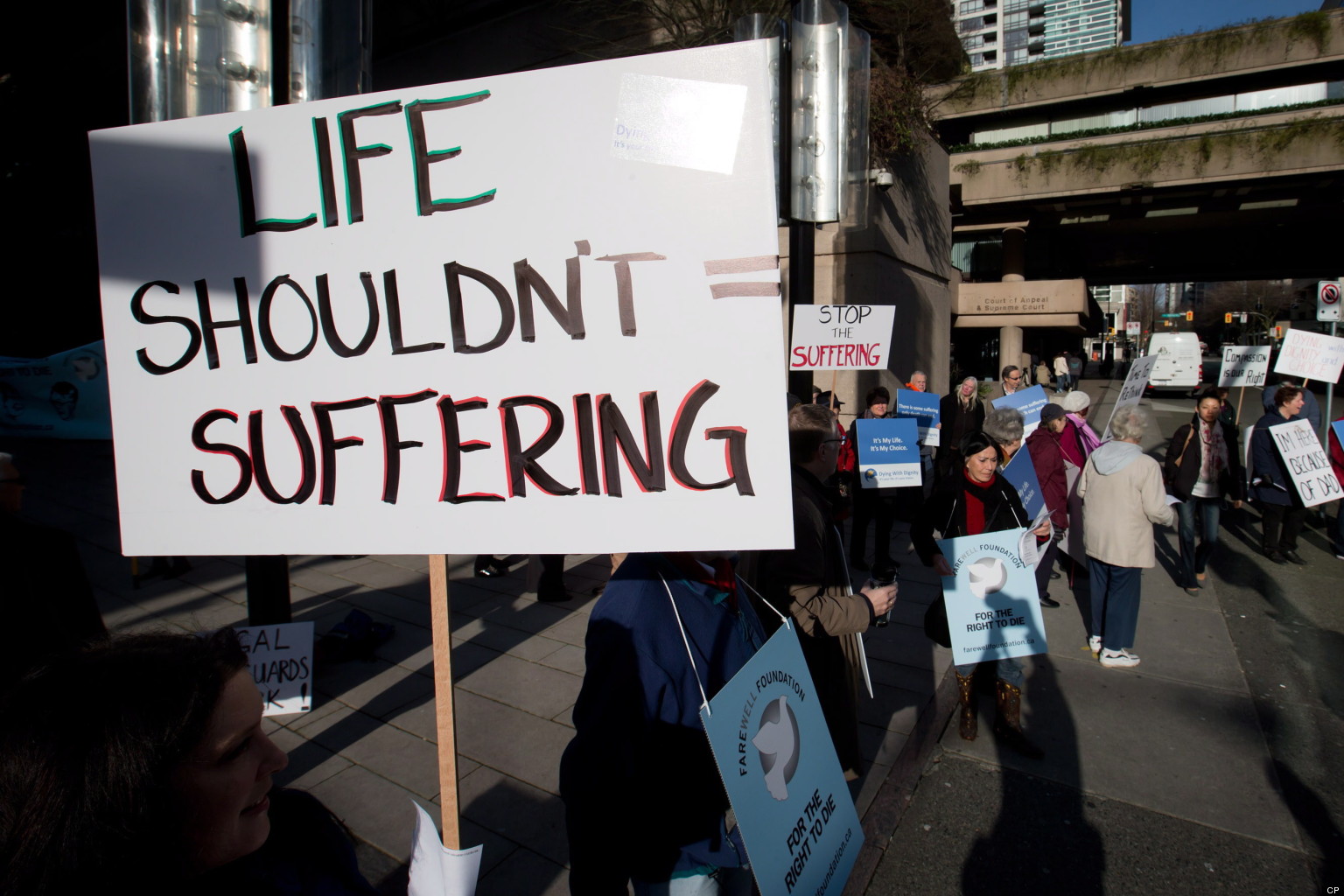 The last five years have seen an extension of rights in American society, notably for homosexual Americans that wish to get married and for transgendered individuals. However, there is another rights movement that has been very active and is now beginning to win legislative victories. The “right to die” movement, whose advocates say that patients who have terminal illness should be able to take their life with prescription medication at a time of their choosing, recently won a victory in California. California state legislators approved the End of Life Option Act last week, which would enable Californians to obtain life-ending prescription medication from a doctor. Currently, only four states allow for a form of physician-assisted suicide (also referred to as “physician-assisted dying”) – Oregon, Washington, Vermont, and Montana – but advocates of the “right to die” movement argue that a victory in California, which can be assured if Governor Jerry Brown signs the bill into law, could lead to other states passing similar legislation.
 One of the biggest anxieties in American culture is the fear that the country is lacking a qualified workforce that will be economically competitive in the twenty-first century. While politicians have primarily focused their efforts on fixing America’s elementary and secondary institutions, college might be the next frontier of state-driven education reform. Less than thirty percent of Americans have a Bachelor’s degree and reformers note that part of the reason is the growing cost of college attendance. Over the last fifty years, tuition costs have exploded at public and private institutions, as have housing and textbook charges. While the number of Americans attending college is rising, graduation rates remain poor and student debt to service the cost of college is also increasing. Fears about the growing cost of college and its impact on American social mobility and the nation’s economy have made college-oriented education reform a part of the 2016 presidential elections. Candidates such as former Secretary of State Hillary Clinton, Florida Senator Marco Rubio, and New Jersey Governor Chris Christie have detailed plans to either slow tuition increases, reduce student debt, and/or make college education more of a national entitlement. Political analysts argue that a candidate with a suitable program to make college more affordable could galvanize the youth vote in 2016, something that politicians have learned can sway elections in the Obama years.
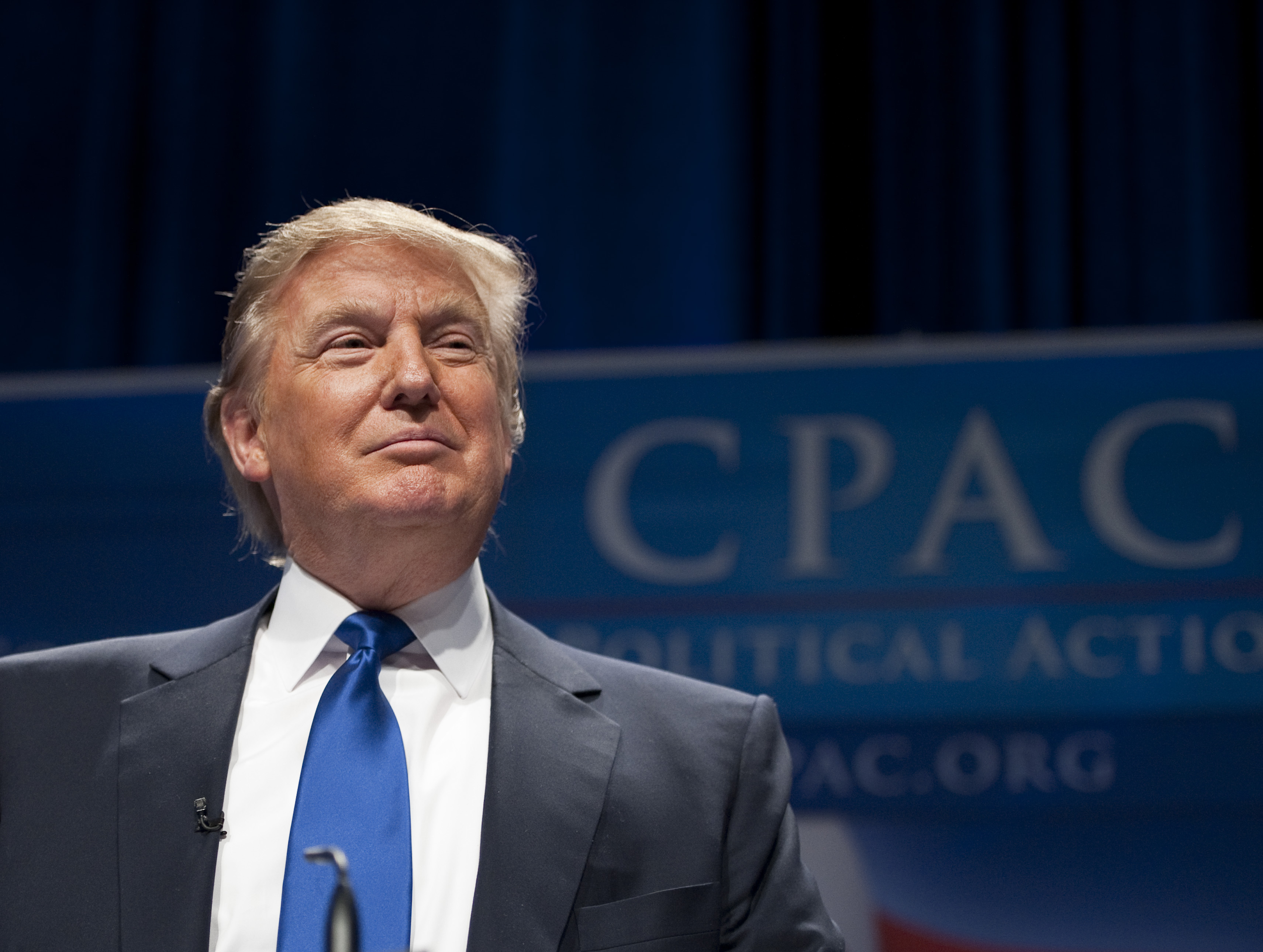 Every few decades, there is a controversial personality that seeks the White House outside of the confines of conventional politics. In 1912, former President Theodore Roosevelt sought the presidency on the Progressive Party ticket, splitting the Republican vote and enabling Democratic candidate Woodrow Wilson to move into 1600 Pennsylvania Avenue. In 1948, Strom Thurmond and Henry Wallace came close to preventing incumbent Harry Truman from winning the presidency as they sought the votes of Southern segregationists and progressive Democrats, respectively. In 1968, Alabama Governor George Wallace ran on a states’ rights and “law and order” platform that carried five states and nearly fourteen percent of the national vote. In 1992 and 1996, billionaire Ross Perot tapped into American frustrations over the economy to capture sizable percentages of the popular vote and arguably help Democrat Bill Clinton win those elections. And in 2000, Green Party candidate Ralph Nader cost Democratic candidate Al Gore the presidency by taking away crucial votes in Florida.
 Since the shooting of eighteen-year-old Michael Brown in Ferguson, Missouri last August there have been growing calls for reforming police tactics in the United States. Liberal and libertarian groups charge that American police have become “militarized” and much too aggressive. These groups note that in addition to Brown, other unarmed suspects have died after interactions with police officials such as Freddie Gray in Baltimore and Eric Garner in New York City. Protests that emerged from the deaths of these men and others sometimes degenerated into violence with Ferguson and Baltimore experiencing riots this season, thereby creating some of the worst civil unrest that America has seen since the late 1960s. President Barack Obama and the Justice Department have investigated local police forces more diligently over the last six years and such investigations are likely to continue as an estimated 500 Americans have been killed by police officers this year. Proponents of reform argue that police need to do a better job interacting with the communities they serve and that better training is needed for officers when they interact with young people, the mentally ill, and minority groups. Opponents argue that an emphasis on community policing will create the re-emergence of a national crime wave, with some noting that a “Ferguson effect” is taking place where criminals are more empowered than ever before as police hold back for fear of criminal prosecution if they make a mistake.
 Since December, American agricultural authorities have been wrestling with an outbreak of bird flu. Three strains of bird flu have affected the North American poultry industry and have thus far led to the culling of 38.9 million birds in the United States, twice the number of a major outbreak that took place three decades ago. The Pacific Northwest and the Midwest have been the regions most significantly impacted by the outbreak and Nebraska, Wisconsin, Minnesota, and Iowa have been forced to declare states of emergency. Scientists are not yet sure what is causing the outbreak, but the leading theory is that migratory birds might be spreading various strains of the virus. Although there is no threat to American public health at this time, health officials are remaining alert to any bird-to-human transmission of avian influenza, which took place in Asia in 2003. Due to the fact that the recent outbreak will raise consumer prices of egg-related food products in the short-term, that U.S. taxpayers will be paying millions in relief to poultry farmers, and handling the problem will test the leadership of Agriculture Secretary Tom Vilsack, extempers that specialize in domestic issues should be aware of the recent bird flu problem.
 Free trade deals are one of the hallmarks of globalization. They allow countries to reduce trade barriers, allow for a freer flow of goods and services, and are tool of “soft” diplomacy. The 1990s and 2000s was an era for American free trade accords as the United States worked with Canada and Mexico to create the North American Free Trade Agreement (NAFTA) and then signed additional agreements with another eighteen countries. While proponents argue that these deals will allow consumers to acquire cheaper goods and that the deals serve America’s geopolitical interests, opponents allege that they strengthen the power of corporations at the expense of the middle class and that they produce sizable job losses. Growing trade skepticism could impair the implementation of the Trans-Pacific Partnership (TPP), a free trade accord between the United States and eleven other nations in the Pacific Rim. President Barack Obama is a supporter of the TPP and is pushing Congress to grant him trade promotion authority (TPA) to conclude the deal. Ironically, Republicans who have been an obstruction to much of the President’s agenda for the last six years are his biggest allies in the TPP fight, but Obama will likely have to win over some moderate Democrats to overcome opposition from unions and progressives to make the TPP a reality.
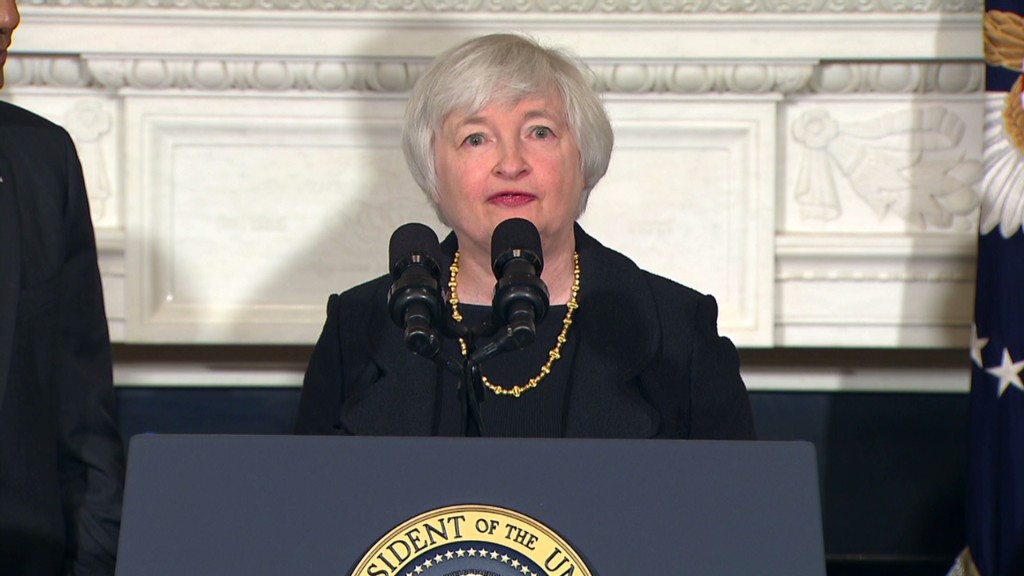 When 2015 began policymakers figured that the U.S. Federal Reserve would raise interest rates. Optimism about the strength of the U.S. economy, as well as projections that inflation would soon meet the Federal Reserve’s preferable mark of 2%, lent credence to these predictions. However, lower than expected growth during the first quarter, coupled with disappointing unemployment data and stubborn inflation statistics have caused some observers to change their predictions of a rate increase. Instead of expecting an increase in 2015, some are now saying that a change in monetary policy will not occur until next year. The minutes of the Federal Reserve’s meeting last month show that it is divided about what to do and this uncertainty means that extempers could face questions over the next three months about when the Federal Reserve will act, and if it should raise interest rates before the end of the year.
 Chicago is the third-largest city in the United States. Home to more than 2.7 million people, it is battling some of the same crises as other major urban centers in the country: declining population, poorly performing public schools, high crime, and a growing pension crisis. On April 7, Chicago voters went to the polls to participate in the first mayoral runoff since the city moved to nonpartisan mayoral elections in 1999. The battle was framed as an internal Democratic Party struggle that pitted Mayor Rahm Emanuel, a centrist, against progressive Cook County commissioner Jesus “Chuy” Garcia. After the votes were tallied, Emanuel won re-election by a comfortable 56-44% margin, but doing so cost millions of dollars and the fact that the election went to a runoff, especially after Emanuel’s biggest challengers dropped out of the race prior to the first round of voting, was deemed as a blow to Emanuel’s political reputation. Emanuel must now deal with the city’s economic problems, its teachers’ union, and a city council that is growing more progressive. His success in doing so may determine whether he is able to achieve higher national office in the future.
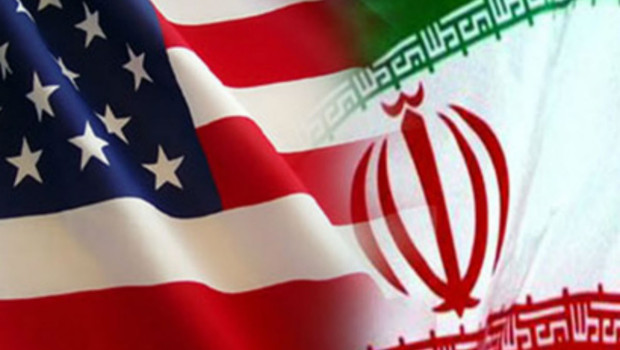 When he was elected in 2008, President Barack Obama went to great lengths to convince voters and the rest of the world that he would not continue many of the foreign policies of George W. Bush. Bush’s presidency is most remembered for the war in Iraq, a campaign that cost thousands of American lives and destabilized the Middle East. However, while the war in Iraq dominated the headlines, the prospects of a nuclear Iran also loomed over the region. In 2002, Iranian dissidents revealed that the Islamic Republic was pursuing a covert nuclear program. Since that time, the United States and its European partners, as well as China, have worked to contain the country’s nuclear ambitions, imposing sanctions to force the Iranian government to the negotiating table. In 2013, Iran agreed to an interim accord that saw it agree to restrictions on its nuclear program in return for some sanction relief. The United States hopes to have an agreement with Iran by June, thereby averting military action and possibly beginning the restoration of diplomatic relations between the two countries.
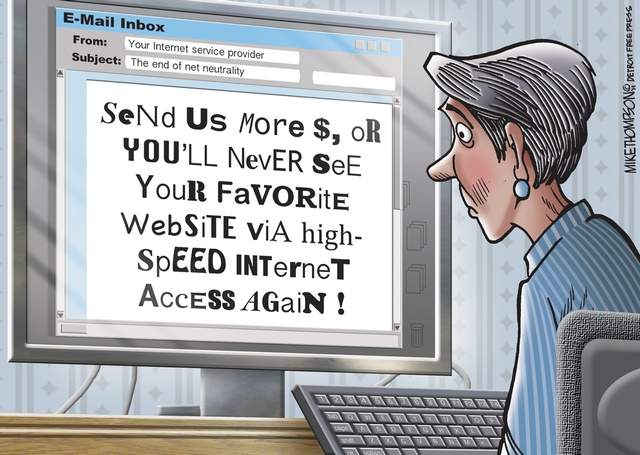 Last Thursday, the Federal Communications Commission (FCC) on a party-line vote decided to reclassify broadband as a telecommunications service. This allows the FCC to impose more regulations on broadband Internet providers as if they were a public utility. The FCC intervened due to concerns that Internet Service Providers (ISPs) will discriminate against network traffic, speeding up some Internet sites that would be willing to pay them a special fee, while reducing the speeds of other sites that either refused to pay or were in competition with other operations of the ISP. This so-called “net neutrality,” which treats all Internet data the same, has become a highly charged political issue, with conservatives warning that the FCC’s decision will stifle innovation and liberals championing the FCC’s decision as a victory for consumer interests.
 Domestic extempers can attest to the fact that questions about education reform never go away. From merit pay to vouchers to standardized testing, extempers must be able to handle topics pertaining to the American education system if they wish to successfully navigate domestic social rounds. Anxieties about American education have persisted since the nation’s founding, with President Thomas Jefferson warning that “If a nation expects to remain free and ignorant in a state of civilization, it expects what never was and what never shall be.” Americans have desired a strong education system to maintain the nation’s position as a political and economic superpower, enhance socioeconomic mobility and the “American dream,” and to solve social ills such as racial and gender inequalities. However, despite the federal government pouring more money into American schools since the 1960s, American students still lag behind their international counterparts in math, science, and reading. While political actors on both sides of the aisle agree that something must be done, they disagree over how to solve it and these divisions are being played out in Congress, states, and municipalities throughout the country.
 In 1998, British doctor Andrew Wakefield published a study in the British medical journal The Lancet that linked the measles, mumps, and rubella (MMR) vaccine to autism. Wakefield’s finding accelerated the growth of the anti-vaccine movement, which denies that vaccines are medically beneficial and claims that they only bolster big pharmaceutical companies. Despite the discrediting of Wakefield’s findings in 2010, suspicions of the MMR vaccine have taken on a life of their own and certain pockets of the United States have large groups of families who have chosen not to vaccinate their children. As a result, measles, which health authorities claimed had been eradicated in the United States in 2000, is making a comeback. In January, an unvaccinated woman at Disneyland in California caused measles to spread to more than one hundred people, and fears of widespread disease outbreaks due to people not being vaccinated has caused a political firestorm. As a result, extempers should be prepared to talk about the vaccination issue in future rounds.
 On January 20, President Barack Obama delivered his constitutionally required State of the Union address to Congress. In it, he said that America was on the road to economic recovery, having escaped the perils of the 2008 financial crisis, and he announced that Americans had turned the page in the war against terrorism. The President also announced his drive to provide two years of free community college to millions of Americans, increase taxes on the wealthy, and give mandated paid sick leave to working Americans. The Republican rebuttal was delivered by newly elected Iowa Senator Joni Ernst, who said that the President needs to take the threat from the Islamic State more seriously, that more needed to be done to thwart cyberterrorism, and that Americans should have more freedom to achieve the American dream. Political pundits saw the State of the Union as an attempt by President Obama to lay out the political platform for his successor in 2016, while others saw it as an attempt by the President to rejuvenate his administration and avoid lame duck status. While there is little chance of many of President Obama’s domestic initiatives becoming law in 2015, extempers should still be aware of what the President said in the State of the Union because it is usually a good benchmark to assess the success of a presidency in any given year.
 Two weeks ago, the North Atlantic Treaty Organization (NATO) ended Operation Enduring Freedom in Afghanistan. Beginning shortly after the September 11 terror attacks, Operation Enduring Freedom produced the fall of the Taliban government, scattered remnants of the al-Qaeda terrorist network, and attempted to provide protection and humanitarian assistance to the Afghan people. Operation Freedom’s Sentinel will replace Operation Enduring Freedom, with the United States leading a contingent of 13,000 foreign troops who will continue to provide training and intelligence services to Afghan security forces and support for counterterrorism operations. President Barack Obama has called for a drawdown of all American forces from Afghanistan by 2016, with only 1,000 remaining in a non-combat capacity. However, 2014 was the deadliest year on record in Afghanistan as more than 5,000 Afghan troops and 10,000 civilians were killed. Since the American withdrawal from Iraq in 2011 produced the rise of the Islamic State, opponents of the President’s drawdown plan argue that the same fate could befall Afghanistan, thereby erasing the gains that NATO troops made since 2001. New Afghan President Ashraf Ghani has also expressed hesitation about the withdrawal of more American and foreign troops from Afghan territory, warning last week that a future withdrawal should be based on mutual interests and not rigid timetables.