


[fblike]
 As 2014 draws to a close, one of the biggest news stories is the growing American economy. While the U.S. economy officially exited from the Great Recession in June 2009, Americans have remained pessimistic. They worry about whether the economy will continue to be robust for future generations, how there are still a large number of part-time workers that wish they could work full-time, and the impact of globalization and immigration on job growth. Last week, the Commerce Department revised its third quarter numbers for America’s gross domestic product (GDP). It found that the economy grew by 5% between July and September, which is the largest quarter of economic growth that the country has experienced since 2003. A rise in exports, falling oil prices, and enhanced consumer spending accounted for the figure and economists are optimistic that America’s economy is heading toward a period of sustainable growth. Since extempers will face questions about the U.S. economy several times at various tournaments in the second semester, Extemp Central thought it was proper to provide a topic brief breaking down America’s economic performance in 2014 and assess its prospects for 2015.
This topic brief will discuss America’s economic growth in 2014, analyze its prospects for 2015, and provide a brief discussion of how an improved economy could affect the country’s political climate for the next two years. In each section, this brief will provide advice on how to tackle questions about the U.S. economy.
Readers are also encouraged to use the links below and in the related R&D to bolster their files about this topic.
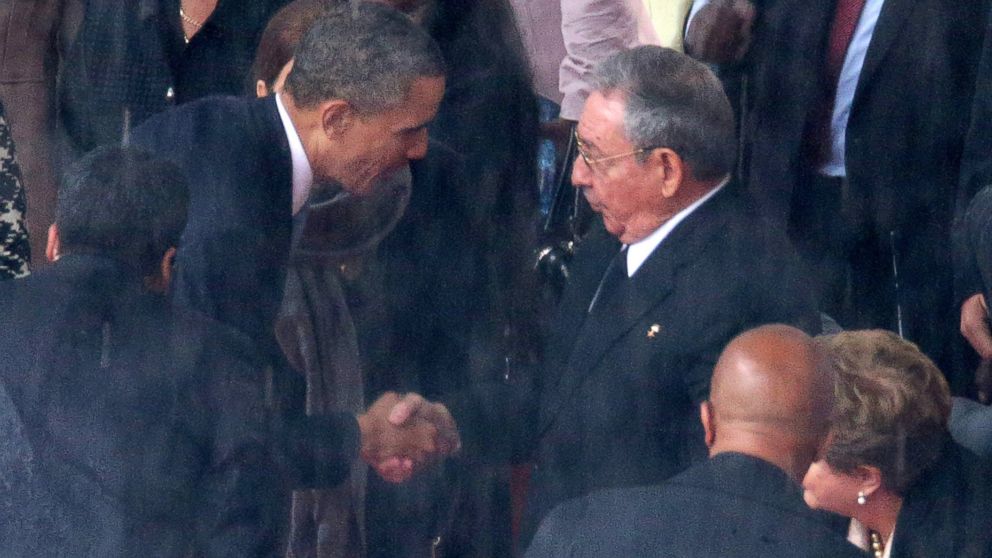 Since 1960, the United States has maintained an economic embargo on Cuba, an island nation just ninety miles off the coast of Florida. The embargo was an instrument of Cold War policymaking, as Cuba became a communist nation under Fidel Castro and seized American economic assets without compensation. Even after the Cold War ended, the United States maintained the embargo as a political instrument in hopes of weakening the Castro regime. However, in the 1990s and 2000s, the embargo came to be seen by other Latin American nations as an unjust extension of American imperialism and some pundits allege that the embargo came to isolate the United States from the rest of the Western Hemisphere just as much as the embargo isolated Cuba from the American mainland. Last week, President Obama announced that he was taking executive action to weaken the long standing Cuban embargo and that he would move to normalize relations with Cuba. The President’s action received bipartisan support from those who believe that the embargo harms America’s relations with other Latin American nations, yet also received bipartisan criticism for rewarding a dictatorial regime that abuses the rights of its citizens. The President’s actions have forced 2016 presidential contenders such as Hillary Clinton, Rand Paul, Jeb Bush, and Marco Rubio to weigh in on the issue and depending on how well the President’s normalization push goes, it could become a significant issue in the Republican presidential primaries and the 2016 general election.
 Since June, the price of oil has plunged 40% on the international market in response to economic slowdowns in Europe and Asia and a glut of supply from the Middle East and North America. The falling price of oil, near $60 a barrel at the time of the writing of this brief, has been a boon for nations that import fossil fuels. It also provides much needed stimulus for consumer-driven economies such as the United States as people are able to take the money they would normally spend on high gas prices and direct it to other economic activities. However, the falling oil price has worked against some economies that rely largely on the proceeds from oil exports. Countries such as Venezuela, Russia, and Nigeria, among others, are now left wondering how they will react to the sudden fall of global oil prices and the decisions that they make could determine whether their current governments survive.
 Last Thursday President Obama announced that he was taking executive action to resolve part of the nation’s pressing illegal immigration problem. The President’s executive order will allow up to five million illegal immigrants to obtain work permits, thereby allowing them to legally stay and work in the United States for the next three years. This is nearly half of the country’s illegal immigrant population, which is estimated to be more than eleven million people. The President’s defenders argued that executive action had to be taken because Congress has failed to solve the illegal immigration problem over the last several decades, but opponents argued that the order was an abuse of executive power and that it would harm bipartisan cooperation for the next two years on Capitol Hill.
 To say that this year’s midterm elections were a disaster for President Obama and the Democratic Party would be an understatement. Undecided voters broke for the Republican Party in droves, enabling it to capture the Senate for the first time since 2006, increase its House majority to near historic levels, and preserve control of governor’s mansions across the country. For the next two years, the Republicans and President Obama will be engaged in a Cold War-style faceoff on Capitol Hill, with each side trying to position the other as obstructionist ahead of the 2016 presidential election. Since the new Congress will not be seated until January, extempers can expect to draw questions about the lessons each party can learn from the midterms and how President Obama should respond to the results.
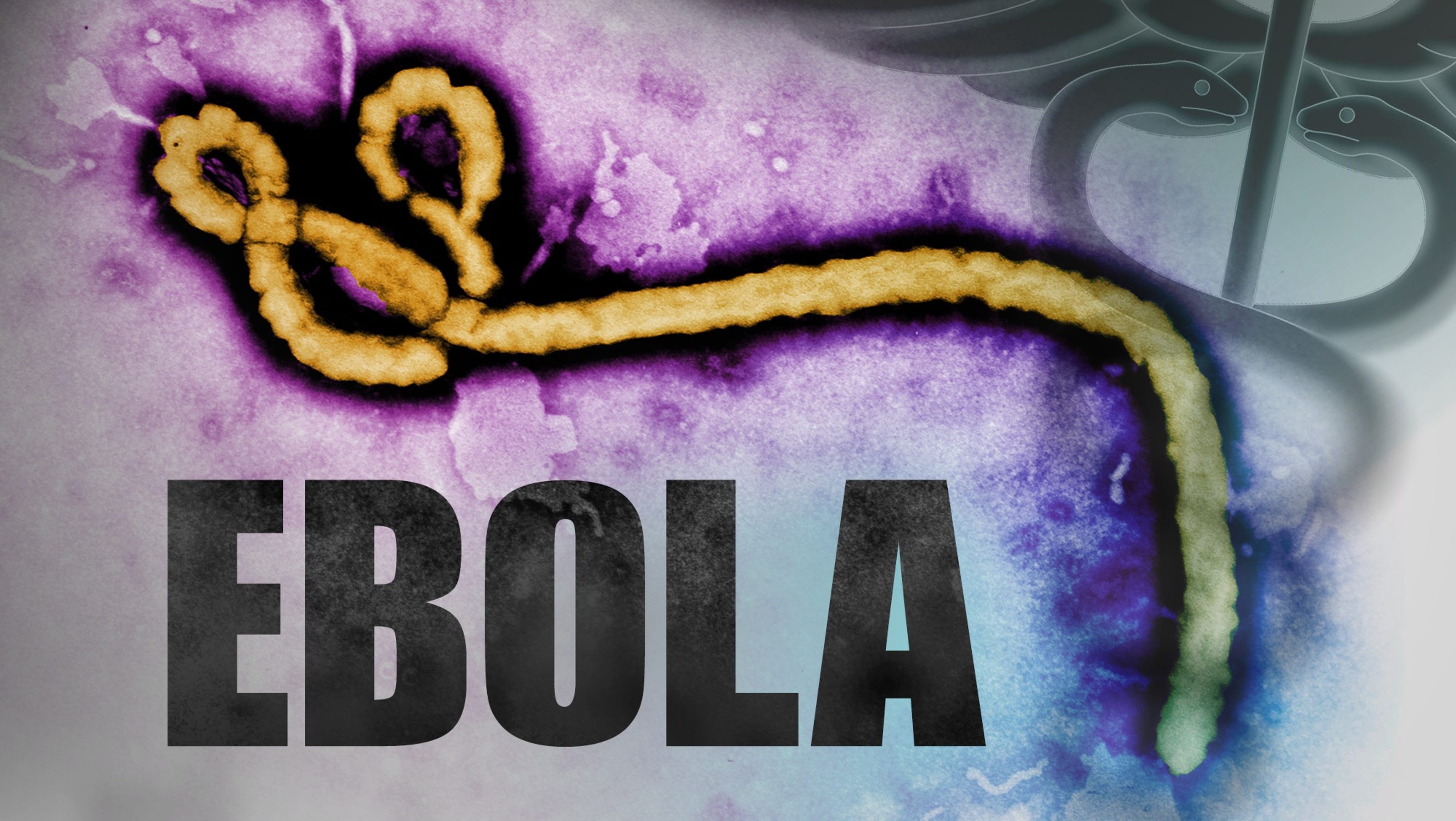 Last week’s news cycle was consumed by the spread of the Ebola Virus Disease (EVD) in the United States. Liberian Thomas Eric Duncan was the first person to be diagnosed with the virus on American soil in U.S. history. Duncan was admitted to Texas Health Presbyterian Hospital in Dallas on September 28 and died of the virus on October 8. Since that time, two nurses that cared for Duncan have contracted the virus. Reports that one of the nurses was allowed to fly after having a fever alarmed the American public, which is showing signs of panic about a virus that carries a fatality rate of over 60%. Newscasters have labeled Ebola as the “October surprise” of this year’s midterm elections and the federal government’s handling of the situation is becoming a hot political topic. President Obama has reportedly shown signs of frustration in meetings with officials from the Centers for Disease Control and Prevention (CDC) and last Friday he appointed Ron Klain as the nation’s “Ebola czar.” Mr. Klain will be tasked with coordinating the federal response to the virus as well as assuaging public fears about the situation.
 For the last fourteen years political pundits have debated whether Hillary Clinton will become America’s first female president. When her husband Bill ended his presidency in 2001, Hillary became New York’s junior senator. In 2004, she thought of running for the Democratic presidential nomination, but opted against it. In 2008, she decided to run for the presidency but was defeated by Barack Obama in the closest primary race since 1976. Following the 2008 presidential election Clinton became President Obama’s Secretary of State. She left that position in 2013 and observers believe she has been using her time away from Washington to solicit support for another presidential bid.
 Last week, Attorney General Eric Holder announced his resignation. Holder is one of three officials still remaining from President Obama’s original Cabinet and he was a lightning rod for conservative criticism of the administration. During Holder’s six-and-a-half year tenure the Justice Department sought to re-emphasize the importance of civil rights, but it came under fire for refusing to cooperate with a congressional investigation into the “Fast and Furious” scandal and prosecuting journalists that leaked government information. Holder’s departure comes on the heels of an expected Republican takeover of the Senate, which may limit President Obama’s selection of his replacement. Holder announced that he will remain at his post until a successor is chosen and confirmed.
 The fast food chain Burger King made waves in the corporate world two weeks ago when it announced an agreement to merge with Tim Hortons, a Canadian doughnut and coffee chain, and relocate to Toronto. Financial analysts argued that the move – called a tax inversion – may help Burger King reduce its corporate tax burden since Canada has a lower corporate tax rate than the United States. President Obama and Democratic lawmakers criticized Burger King for joining the list of “corporate deserters,” a term applied to companies that have relocated their corporate headquarters outside of America’s borders to reduce their tax burden. Ohio Senator Sherrod Brown and leftist groups have called for a national boycott of Burger King as well. If the merger is approved by American and Canadian regulators, the new company will become the third-largest fast food chain in the world.
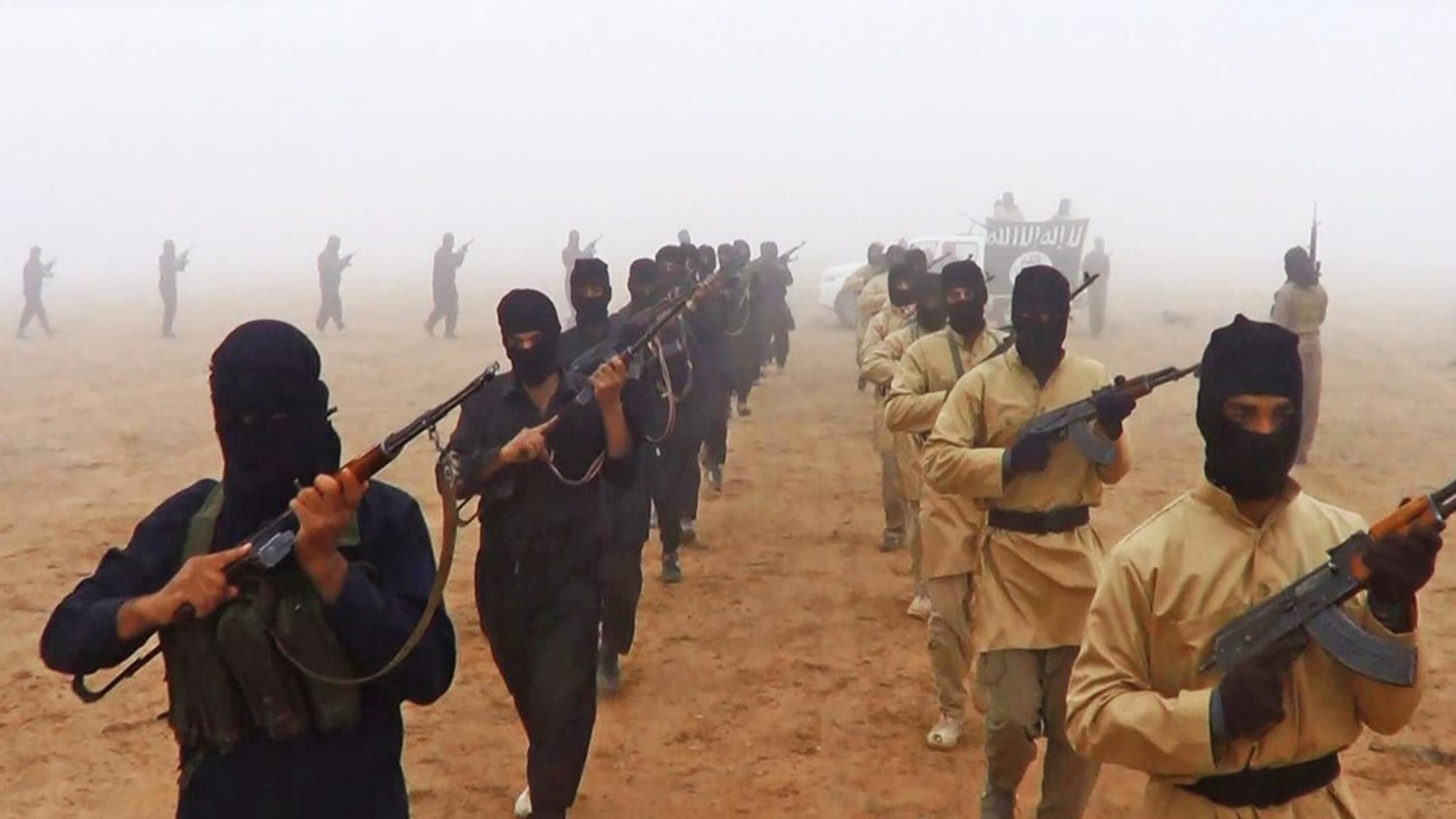 Since 2008, Iraq gradually ceased to be a topic in extemporaneous speaking. This accelerated after the U.S. withdrew its remaining forces from the country in 2011. Optimists thought that Iraq questions would fade much like Vietnam questions did in the 1960s and 1970s. However, the rise of the Islamic State (IS) in 2014 will cause extempers to talk a great deal about Iraq policy in 2014-2015. The IS was proclaimed by the Islamic State of Iraq and Syria (ISIS), a Sunni militant group, on June 29 and includes territory in Syria and Iraq. This summer, ISIS continued its advances into Iraqi territory, seizing Mosul, Iraq’s second-largest city, and taking over several Christian towns. The group murdered non-Sunni Muslims, Christians, and those of other religious denominations. These religious minorities sought refuge elsewhere in Iraq, especially Kurdish areas of Northern Iraq. Advances by ISIS into Kurdish territory and their siege of the Yazidis – a Kurdish-speaking Zoroastrian/Sufi religious community – near Mount Sinjar prompted the Obama administration to launch airstrikes to halt the group’s advance. Although President Obama stated that U.S. ground forces will not be returning to Iraq, these airstrikes constitute a return of American military forces to Iraq. The airstrikes have also created a debate over the effectiveness of President Obama’s foreign policy, which his former Secretary of State, Hillary Clinton, criticized in
  California is currently suffering from a prolonged drought that is damaging the state’s agricultural industry. The drought, which began three years ago, covers the entire state and 60 percent of the state is experiencing an “exceptional drought,” the worst level in its recorded history. Since California is America’s largest state and is the producer of a large percentage of its fruits and vegetables, its drought could have a significant impact beyond its borders. Due to the fact that scientists expect the drought to continue into 2015, extempers should be prepared to analyze California’s drought at tournaments during the 2014-2015 season. The topic is screaming for placement in a “domestic social” or “state and local issues” round.
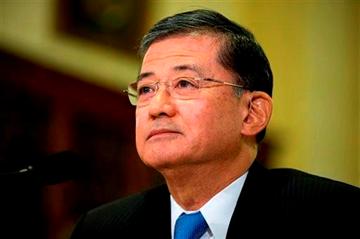 Since the war on terrorism began in 2001, questions about veterans’ issues have played a role in military and national defense rounds. The wars in Iraq and Afghanistan added thousands of injured veterans to the list of those receiving care at Veterans Affairs (VA) hospitals throughout the country. The Veterans Health Administration (VHA) current provides cares to nearly 10,000,000 American veterans across 1,700 sites. The VHA has been heralded as a healthcare success among other elements of bureaucratic dysfunction that are sometimes associated with the federal government, but a recent scandal has called into question the care that veterans are receiving. Allegations from a Phoenix VA facility that medical professionals there “cooked the books” to hide long waiting times for veterans in need of care have placed Veterans Affairs Secretary Eric Shinseki under fire and Republicans and Democrats are calling for answers from the Obama administration.